By vet Ruth Simmons
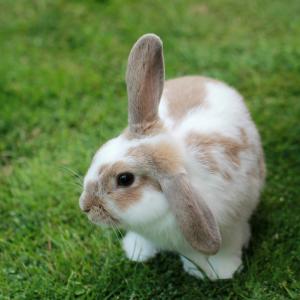
Rabbits are the third most common pet, with an estimated 1 million kept as pets in the UK.
We have just celebrated the 20th Year of Rabbit Awareness Week at Paragon Vets. This is a national, annual campaign which aims to educate rabbit owners on all aspects of rabbit care. Throughout the week rabbits were given health checks, and their vaccinations were given if they weren’t up to date.
The focus this year has been on diet. All too often we still see rabbits fed on a museli type diet and to excess. A proper diet is the cornerstone of ensuring good rabbit health and welfare.
The importance of fibre cannot be underestimated. Hay should make up around 80-90% of a rabbit’s diet. They should have unlimited access to good quality, fresh hay or grass. Fresh hay should be clean, dry and replaced regularly to encourage adequate consumption.
Rabbit’s teeth grow continuously and without enough fibre to wear them down, they can develop painful, dental disease. The treatment involves a general anaesthetic and burring to shorten the teeth.
They have a highly specialised digestive tract designed to process large amount of fibrous plant material. A lack of fibre can cause gut stasis, a potentially life-threatening condition, needing prompt veterinary attention.
In addition to hay, rabbits benefit from a daily selection of leafy green vegetables and herbs such as kale, coriander and parsley.
Commercial rabbit pellets should be given daily but be careful to measure out the correct amount. Often only an egg cupful is needed twice a day.
Fresh, clean drinking water must be available at all times.
Fruit and root vegetables, including carrots, are often thought to be rabbits’ favourites. However, these foods contain higher levels of sugar and should be offered only occasionally as a reward rather than a dietary staple to prevent obesity.
Changes in appetite, smaller droppings, weight loss or reduced activity can indicate health problems requiring prompt veterinary attention. Because rabbits often hide signs of illness, early intervention is critical.
Annual veterinary examinations, weight checks and close monitoring of eating habits can help detect problems before they become serious.
Here is a Simple Formula for Good Health: Unlimited fresh hay or grass; daily leafy greens; a small, measured amount of high quality pellets; constant access to fresh water; sugary treats only in moderation.
By focusing on a fibre-rich diet and routine health care, owners can help their rabbits live longer, healthier and happier lives.