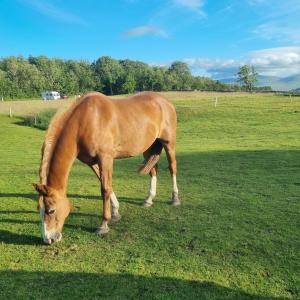
By vet Freya Wood
Have you ever heard of equine grass sickness?
Grass sickness is a disease of horses, ponies and donkeys that is almost exclusively seen in equines with access to grass. Sadly, this disease is frequently fatal. First recognized in army horses in Dundee in 1907 it has since been increasing in prevalence throughout Scotland and the rest of the United Kingdom.
Equine grass sickness is a disease that affects the horse's nervous system and can present in three forms; acute, subacute, and chronic.
Acute and subacute grass sickness cases present suddenly, with often extreme clinical signs including gut paralysis which can present as severe colic signs. They can present with typical colic signs such as rolling, pawing at the ground and flank watching, however they can also present as just quiet and dull. Horses can also show difficulty eating and swallowing and may be seen drooling saliva.
Chronic cases often present more slowly and often show milder, intermittent signs. These often include severe rapid weight loss. They can also present with dullness, reduced appetite, difficulty swallowing, increased salivation, tucked up abdomen, droopy eyelids, and muscle tremors.
Because the signs can present similarly to other types of colic, it is important to get your vet out immediately to assess your horse. They will perform a full colic exam including undertaking a rectal examination. They may also do further tests such as blood analysis, an abdominal ultrasound examination, peritoneal tap, and nasogastric intubation (stomach tubing). Your vet may advise that your horse is referred to an equine hospital for further investigation and treatment, where specialist diagnostic equipment and round-the-clock care are available.
Sadly, if your horse is diagnosed with acute or subacute grass sickness, their prognosis is poor as these cases are usually fatal.
However, some chronic grass sickness cases that can be treated successfully have been known to continue to lead a normal life. Treatment includes intensive supportive nursing care, which can be costly and may need to continue for several weeks or even months. Careful monitoring, nutritional support and regular veterinary assessments are often required to give affected horses the best possible chance of recovery.
Because the definitive cause is not known, it can be difficult to know how to prevent disease. However, we know of a few predisposing factors which make a horse more likely to get the disease. We often see multiple cases from the same premises, either presenting at the same time or over several years. Animals that are new to these premises are more at risk of becoming symptomatic. Equine grass sickness can occur at any time of year; however, we see most cases between April and July with a peak in May. This can vary each year depending on the weather and also depending on the location. We typically see cases in horses that are grazing; however, there have been a few cases in horses with no access to grass. Risk factors for the disease can include recent soil disturbance, high stocking density, and mechanical removal of droppings. Any age of horse can become affected; however, we typically see disease in horses between 2 and 7 years of age.
Owners should remain vigilant and monitor their horses closely, particularly during high-risk periods. Early recognition of clinical signs and prompt veterinary attention can help ensure the most appropriate care is provided as quickly as possible.
The Moredon Foundation Equine Grass Sickness Fund is the only registered charity raising funds specifically for grass sickness and is actively researching possible causes, treatments and prevention strategies to help combat this devastating